Pawn Shop Archaeology: Why Right Now Is the Best Time to Hunt Retro Games Off the Beaten Path
Let's get one thing straight: the death of GameStop's used game section wasn't the tragedy some people made it out to be. Sure, losing that wall of pre-owned cases felt like the end of an era. But something quietly interesting happened in the aftermath — all that secondhand inventory had to go somewhere. And a whole lot of it ended up in places most collectors still aren't looking hard enough.
Right now, in 2025, your regional pawn shops, flea market vendors, and scrappy independent game stores are sitting on more overlooked cartridges and consoles than at any point in recent memory. Here's why that matters, and how to actually take advantage of it.
Why the Shelves Are Suddenly Full Again
The used game market didn't disappear when the big-box chains stepped back — it fragmented. When GameStop dramatically scaled down its retro inventory and Best Buy stopped buying used titles altogether, sellers had to find new outlets. Many of them turned to pawn shops, Goodwill donation centers, and local resellers who were happy to take the merchandise without the corporate pricing algorithms.
At the same time, a wave of pandemic-era collectors who bulk-bought entire collections between 2020 and 2022 are now offloading those same hauls. Life changed, storage got tight, and a lot of those "investment" purchases are quietly trickling back into circulation at prices well below the eBay bubble highs.
The result? Pawn shop glass cases and thrift store game bins are replenishing faster than they're being cleared out in many parts of the country.
Where to Actually Look (And What to Skip)
Not all secondhand sources are created equal. Here's a rough breakdown of what you're likely to find where:
Pawn shops are your best bet for complete-in-box finds and oddball consoles. Staff at pawn shops generally aren't deep into gaming culture, which means pricing is often based on a quick Google search of the item title — not the actual collector value. That gap is your opportunity. A Game Boy Advance SP with a scratched shell might get listed based on a general search result, while a specific limited variant sitting right next to it gets lumped in at the same price.
Independent game stores have gotten sharper about pricing in recent years, but they're also acquiring more inventory than ever. The real wins here aren't usually on the shelf — they're in the bins of unsorted stock that stores haven't had time to process. Ask if there's anything in the back. Seriously. A lot of shop owners will let you dig through unsorted donations for a flat fee or sometimes just for the company.
Flea markets and swap meets are chaotic but occasionally magical. Midwest and Southeast swap meets in particular have been yielding strong finds lately, especially for 16-bit era hardware and accessories.
The Counterfeit Problem Is Real — Here's How to Protect Yourself
This is the part nobody likes talking about but everybody needs to hear. The retro game counterfeit market has gotten sophisticated enough that even experienced collectors get burned. Fake GBA cartridges, bootleg DS games, and cloned SNES boards are all floating around the secondhand market, and pawn shop employees almost never know the difference.
A few quick checks before you hand over any cash:
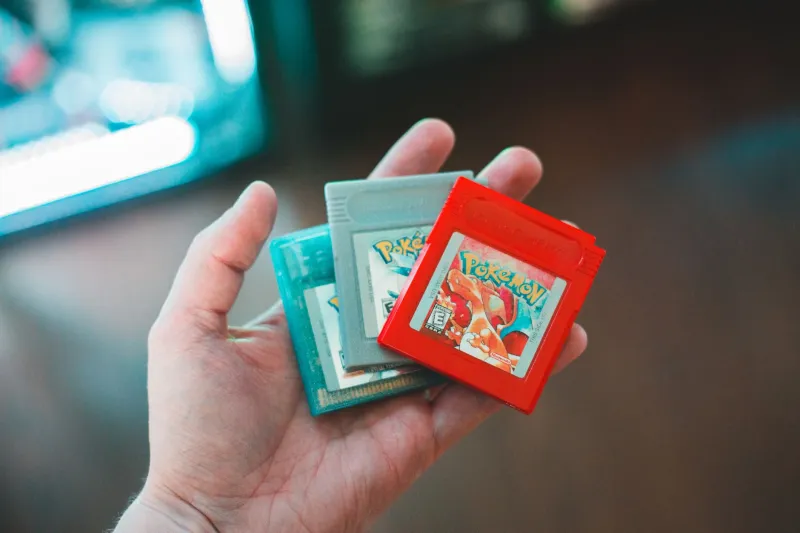
- Weight test: Authentic cartridges have a specific heft to them. Counterfeits are often noticeably lighter because they use cheaper internal components. If a Game Boy cart feels hollow, be suspicious.
- Label quality: Legitimate Nintendo and Sega labels have a slightly textured feel and consistent ink saturation. Fakes often look slightly washed out or have label edges that don't sit flush with the cartridge housing.
- Screw type: Original Game Boy and SNES cartridges used proprietary screws (the kind you need a special screwdriver to open). If a cartridge has standard Phillips head screws, someone's been inside it — and not always for good reasons.
- Bring a portable tester if you're serious: Small cartridge testers are cheap and worth every penny if you're buying in volume.
For anything over $40, it's worth opening the cartridge on-site if the seller allows it. A reputable independent store won't have a problem with this. A sketchy flea market vendor who gets defensive? That tells you something too.
Understanding the Economics Behind the Deals
Pawn shops operate on volume and turnover, not collector expertise. They need items to move within a certain window or they start taking up shelf space that could be generating revenue. That's actually great news for you as a buyer, because items that haven't sold in 30–60 days are often quietly marked down or bundled together.
Develop a relationship with the staff. Come in regularly, be friendly, and let them know what you're looking for. More than a few collectors have gotten early calls from pawn shop employees before items even hit the floor — simply because they were the person who showed up consistently and wasn't a pain to deal with.
Independent game stores work similarly. Many of them will hold items for regulars or offer loyalty discounts that aren't advertised anywhere.
The Window Won't Stay Open Forever
Here's the honest part: this particular moment in the secondhand game market is a window, not a door. The inventory flooding into pawn shops and indie stores right now is a product of specific economic conditions — post-pandemic collection offloading, big-box retail retreating from used games, and a general cooling of the speculative collector market that drove prices to absurd heights a few years ago.
As those conditions stabilize, so will the availability of quality finds at reasonable prices. Dedicated retro game stores are getting better at sourcing, pricing algorithms are getting smarter, and more collectors are figuring out what you're reading right now.
The best time to dig? That's right now. Get out from behind the eBay listings and go touch some actual cartridges. You might be surprised what's been waiting in a glass case at your local pawn shop — probably right next to a guitar nobody's played since 2009.