I Lost to a Middle Schooler in Mario 64 and Learned to Love Broken Games
Photo: Multicherry, CC BY-SA 4.0, via Wikimedia Commons
Let me set the scene: I'm 34 years old, I've been playing video games since before I could read the manuals, and last Tuesday a twelve-year-old on a livestream beat Super Mario 64 in under nine minutes while I sat in my living room failing to beat it in an afternoon.
This is the story of how that happened, and why I've come out the other side grateful for it.
Round One: Mario 64 and the Backwards Long Jump
My first mistake was assuming speedrunning was just "playing fast." It is not. Watching the Mario 64 world record is like watching a person negotiate with a physics engine that has given up. Runners launch themselves through walls. They skip entire floors of the castle. At one point Mario does a backwards long jump and achieves something closer to orbit than locomotion.
I tried the backwards long jump for forty-five minutes. My best result was Mario vibrating anxiously into a wall and falling into the moat. The twelve-year-old does it on the first try, mid-conversation, while answering chat questions about his math homework.
Round Two: A Link to the Past and the Sword That Isn't There
Emboldened by failure, I moved to A Link to the Past, a game I finished roughly forty times as a kid. The record runs use glitches with names like "swordless link" and sequence breaks that let you wander into the Dark World before the story says you're allowed. My runs, by contrast, mostly featured me getting lost in the Swamp Palace like a man looking for his car in a parking garage.
Here's what surprised me: the runners aren't just fast. They know the game's code the way you know your commute. Every frame matters. Every enemy placement is a variable in an equation they solved years ago.
Round Three: Sonic 2, or Humbling, the Musical
Sonic 2 was supposed to be my win. I grew up on this game. I have muscle memory for Chemical Plant Zone that I do not have for my own phone number.
The world record runners, it turns out, don't play Sonic 2 so much as exploit it. They stack hitboxes, abuse special stage warps, and treat the camera as a suggestion. I finished my "run" in a time that would embarrass a first-grader playing on a school bus.
The Part Where the Glitches Become the Point
Somewhere between my tenth failed long jump and my hundredth death in Chemical Plant, something clicked. These old games aren't broken despite being beloved — they're beloved partly because they're broken. Nobody designed a backwards long jump. Nobody intended for Link to skip half his quest. But those accidents gave the games depth nobody could have planned, and a generation of players turned the accidents into art.
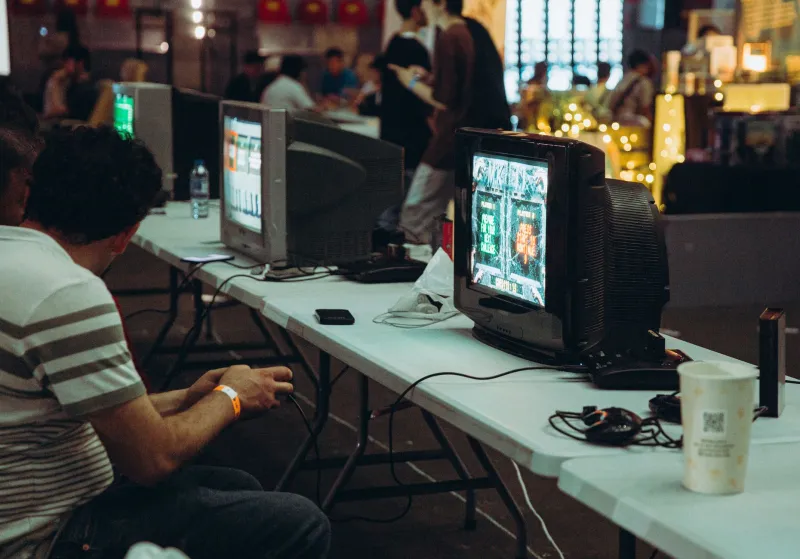
The glitches we cursed at on CRT TVs in 1997 became the reason we're still playing in 2025. The twelve-year-old isn't disrespecting the game. He knows it better than the people who made it — better, honestly, than I ever will.
The Verdict
Did I get faster? Marginally. Did I beat any records? I would rather eat the cartridge. But I finished the week with a new appreciation for the wobbly, overgrown, accidental masterpieces of the retro era — and a deep, sincere respect for middle schoolers.
Pick a classic. Find the record. Try it once. Humility builds character, and so does watching Mario clip through a wall for the fortieth time.