Same Game, Wildly Different Price Tags: What's Really Going On Inside the Cartridge Grading World
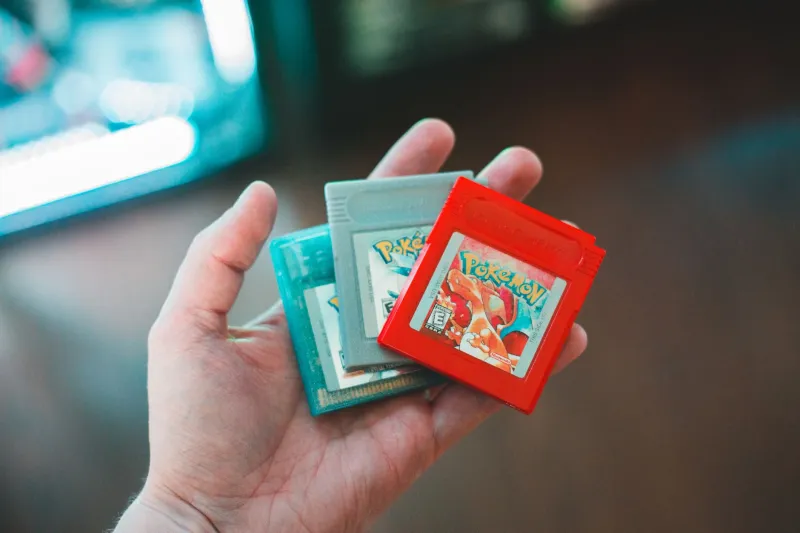
Picture this: you're digging through a cardboard box at an estate sale somewhere in rural Ohio, and you pull out a copy of Pokémon Red. You've seen a hundred of these. But something's slightly different about the label — the font sits a little heavier, the color reads a half-shade darker, and there's a small production code stamped near the bottom that you almost missed. You flip it over. Your hands are sweating.
That box might contain something worth a few thousand dollars. Or it might contain the same cartridge your cousin had in 1999. Here's the uncomfortable truth: most people walking past it would never know the difference. That gap in knowledge — between the informed collector and everyone else — is exactly what's driving some of the wildest price swings in the retro gaming market right now.
Why Two Identical-Looking Cartridges Can Be Worlds Apart in Value
The Game Boy library spans hundreds of titles across multiple hardware generations, and within that catalog, production runs varied enormously. Early print runs of a game often differ from later pressings in ways that are invisible to casual buyers but immediately obvious to serious collectors. We're talking about things like:
- Label variations: Early production labels sometimes used different typefaces, color saturation levels, or logo placements before publishers standardized their packaging.
- Board revisions: The actual circuit board inside the cartridge may have been revised mid-production, changing the chip manufacturer or memory configuration.
- Region-specific pressings: A copy manufactured for the Canadian market might have subtle differences from a US release — same game, different origin, different collector ceiling.
- Seal of Quality stamps: The presence, absence, or variation of Nintendo's official quality mark on the label or box can shift value significantly.
- NFR (Not for Resale) copies: Promotional or kiosk demo units, originally never meant to leave retail stores, have become highly sought-after oddities.
None of this is intuitive. None of it is marked clearly on the cartridge. And that's exactly why the authentication world has become such a specialized — and sometimes contentious — corner of gaming culture.
The Rise of Third-Party Grading
If you've spent any time on collector forums or watched retro game auction results over the past five years, you've probably encountered graded cartridges: games sealed in hard acrylic cases with a numerical score printed on the front, certified by companies like Wata Games or VGA (Video Game Authority). The concept is borrowed directly from the comic book and trading card industries, where third-party grading transformed casual hobbies into serious investment markets.
The idea is straightforward enough. You send your cartridge (ideally still sealed in its original box) to a grading company. Trained evaluators assess the condition of the box, the manual, the cartridge itself, and the seal integrity if applicable. They assign a numerical grade — typically on a scale up to 100 — and encase the item in a tamper-evident holder. That grade then follows the game forever, giving potential buyers a standardized reference point.
But here's where things get complicated. Grading companies aren't infallible, and the market has been rocked by controversies. In 2021, a wave of scrutiny hit the industry after reports surfaced suggesting that certain high-profile sales — including a sealed Super Mario Bros. copy that fetched $660,000 — may have involved undisclosed conflicts of interest between auction houses and grading companies. The fallout cooled the top end of the market considerably, though it didn't kill collector interest. If anything, it made savvy buyers more careful.
"The grade matters, but so does who graded it and when," says Marcus, a collector based in Chicago who's been buying and selling retro cartridges for over a decade. "I've seen the same game graded by two different companies get a 20-point spread. You have to understand what you're actually buying."
Authentication in the Wild: What to Actually Look For
For most of us, the relevant question isn't what a sealed, graded, mint-condition cartridge is worth at Heritage Auctions. It's what to look for when you're standing in front of a folding table at a swap meet with $40 in your pocket.
A few practical markers worth knowing:
Check the screws. Authentic Nintendo cartridges used proprietary screws — specifically a 3.8mm gamebit screw — that required a special tool to open. If a cartridge has standard Phillips head screws, it's either been opened and tampered with or it's a reproduction. Either way, that affects value.
Feel the label. Original labels have a specific texture and a slightly recessed quality from the printing process. Reproduction labels often feel flatter, slightly shinier, or have colors that bleed differently at the edges. This takes practice to identify, but once you've handled enough originals, it clicks.
Look at the board stamp through the window. Many Game Boy cartridges have a small translucent window or gap that lets you glimpse the circuit board inside. Original boards have Nintendo's copyright information stamped directly on them. Counterfeit boards often don't.
Cross-reference the production codes. The back of most cartridges has a small alphanumeric code stamped into the plastic. These codes correspond to specific production runs and can be cross-referenced against collector databases — several of which are maintained by the community on sites like GameFAQs forums or dedicated Discord servers.
The Regional Rabbit Hole
One of the most underappreciated value drivers in the cartridge world is regional variation. The US market saw different release windows, different box art, and sometimes entirely different versions of games compared to Japanese or European pressings. But it cuts the other way too — some titles that were widely available in Japan had extremely limited US distribution, making the domestic version rarer than the import.
Trip World, to name a famous example, was released in Japan with modest distribution — but the handful of copies that made it to North American retail have become legendary. Depending on condition, they've sold for anywhere from $8,000 to well over $15,000. The game itself is a pleasant but unremarkable platformer. The value is entirely about scarcity and documentation.
"People get confused because they think value equals quality," notes Priya, an appraiser who works with several estate sale companies in the Pacific Northwest. "It almost never does. Value equals documented scarcity plus condition plus timing. A mediocre game with a tiny print run will always beat a beloved classic with millions of copies in circulation."
Should You Be Grading Your Own Stuff?
If you've got a collection sitting in storage and you're wondering whether to send anything off for grading, the honest answer is: probably not most of it. Grading fees typically run $50 to $150 per item depending on the service tier, and the math only works out if the graded value substantially exceeds the raw (ungraded) value plus your fees. For common titles in played condition, that math rarely pencils out.
Where grading makes sense is for sealed copies of notable titles, confirmed first-print variants, or anything you've authenticated as genuinely rare through community research. Even then, factor in current market conditions — the top of the graded game market has softened since its 2021 peak, and patience is often a better strategy than rushing to sell.
For the rest of us, the real value in understanding cartridge authentication isn't financial — it's the satisfaction of knowing what you're actually holding. That beat-up Kirby's Dream Land cartridge in your junk drawer might be completely ordinary. Or it might be a first-run pressing with a label variant that a collector would pay serious money to add to their shelf.
You won't know until you start looking. And that's kind of the whole point of digging.