Burning the Backup: Why Retro Fans Are Racing to Archive Their Collections Before the Window Closes
There's a particular kind of dread that hits retro gamers — that sinking feeling when a beloved platform announces it's shutting down, or when a publisher quietly lets a licensing deal lapse and a dozen classic titles just... vanish. It's happened enough times now that a growing number of players aren't waiting around for the next corporate announcement. They're building their own archives. Quietly. Methodically. And with a sense of urgency that's hard to overstate.
This isn't fringe behavior anymore. Walk into any retro gaming community — whether it's a subreddit, a niche Discord, or a dusty corner of a gaming convention — and you'll find people comparing notes on the best ways to rip cartridges, organize ROM directories, and keep their digital collections safe from the whims of copyright law and corporate restructuring.
The Trigger: Watching Games Disappear in Real Time
For a lot of collectors, the tipping point wasn't a single event — it was a pattern. The Wii Shop Channel closed in 2019. WiiWare titles that had never seen a physical release simply stopped being accessible to new buyers. The 3DS and Wii U eShops followed in 2023, taking hundreds of digital-exclusive games with them. And those are just the high-profile examples. Smaller publishers, indie storefronts, and mobile platforms have been quietly pulling titles for years, often without so much as a press release.
The message landed hard in retro gaming communities: if you don't own a physical copy, you might not own anything at all. And even physical copies aren't foolproof — DRM-laden games that require server authentication are essentially on a countdown timer whether you bought the disc or not.
So people started acting accordingly.
What Building a ROM Library Actually Looks Like
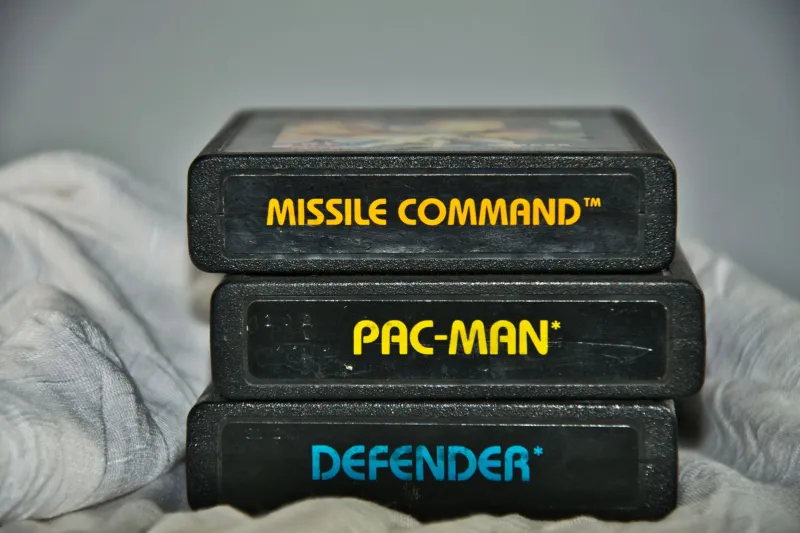
Let's be clear about what we're talking about here, because the conversation gets muddied fast. A significant portion of the people building personal archives own physical copies of the games they're backing up. They're using hardware like the Epilogue GB Operator, the Retrode, or similar cartridge readers to dump ROMs directly from their own cartridges onto a hard drive. In that context, it's less piracy and more... making a backup of something you already paid for.
The technical side isn't as intimidating as it used to be. Cartridge readers have gotten cheaper and more user-friendly. Software tools for organizing and verifying ROM dumps — programs that check your files against community-maintained databases — have become more polished. Communities like No-Intro and Redump have spent years building verified sets of clean, accurate ROM dumps, creating a kind of crowdsourced quality control layer that individual collectors can compare their own dumps against.
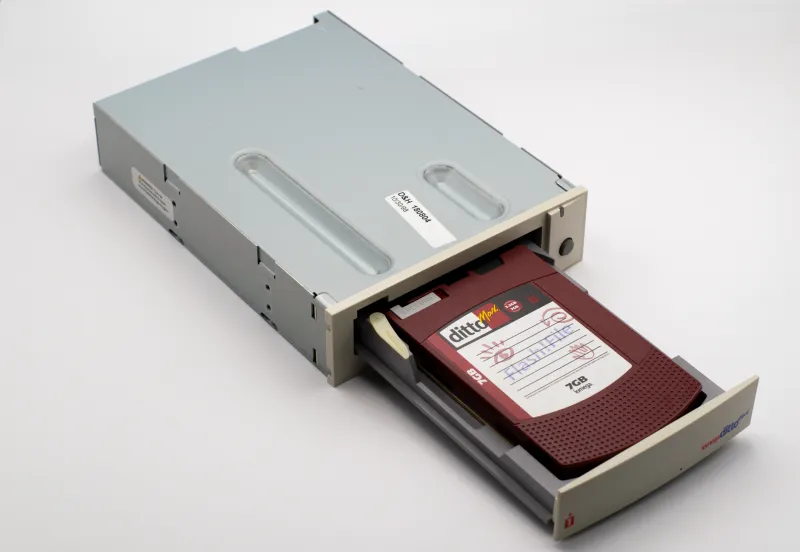
For people who want to go further, dedicated archivists have created elaborate systems: redundant backups across multiple drives, cloud storage with strong encryption, and meticulous cataloging spreadsheets that would make a librarian nod approvingly. Some collectors treat it like a second hobby within the hobby.
The Gray Zone Everyone's Tiptoeing Around
Here's where it gets complicated, and anyone writing honestly about this has to acknowledge it. The legal landscape around ROM backups in the US is genuinely murky. The old conventional wisdom — that making a personal backup of a game you own is protected — has never been cleanly tested in court in a way that produced clear, settled precedent. Copyright holders have pushed back hard on that interpretation, and the legal reality is more ambiguous than the retro gaming community sometimes lets on.
What's not ambiguous is that downloading ROMs for games you don't own is copyright infringement, full stop. And yet the philosophical debate inside the community is fierce. When a game is commercially unavailable — when the publisher no longer sells it, no longer supports it, and has no apparent plans to ever make it accessible again — what does "protecting intellectual property" actually mean in practice? Who benefits from that protection?
These aren't rhetorical questions. They're the ones that preservation-focused organizations like the Video Game History Foundation have been pushing into public discourse, arguing that the current copyright framework actively works against cultural preservation. Their research has shown that a staggering percentage of classic games are simply unavailable through any legitimate channel. That number doesn't make infringement legal, but it does reframe the conversation.
The Community Infrastructure Holding It Together
What's remarkable about the ROM archiving world is how organized it's become without any central authority. Forums like GBAtemp have long served as hubs for technical knowledge. Archive.org hosts an enormous collection of older software under various preservation arguments. Discord servers dedicated to specific platforms — NES, SNES, Sega Genesis, Neo Geo — function as informal libraries where members share technical tips, compare notes on dump quality, and flag when rare titles become available.
There's also a generational handoff happening. Older collectors who built libraries in the early 2000s, back when ROM sites were wide open and nobody was thinking much about legal nuance, are now passing knowledge to a younger generation that's more legally cautious but equally motivated. The tools are better. The community knowledge is deeper. And the sense of mission — preserving these games before they're genuinely unreachable — feels more urgent than ever.
Why Right Now Feels Different
The pace of platform shutdowns has accelerated. Licensing agreements for classic arcade titles are expiring and not being renewed. Publishers that got acquired in the wave of gaming industry consolidation are sitting on back catalogs they have no clear plans for. And the window for physical media — the cartridges and discs that make self-archiving possible in the first place — is slowly narrowing as hardware ages and working units become harder to find.
There's also a growing awareness that the games being discussed aren't just entertainment. They're cultural artifacts. The music, the pixel art, the design philosophies embedded in a 1993 SNES RPG or a 2001 GBA platformer represent creative decisions made by real people at specific moments in history. Letting those things disappear because a licensing agreement lapsed feels, to a lot of people, like a genuine loss — not just for gamers, but for anyone who cares about documenting what popular culture actually looked like.
Where This Leaves the Average Player
If you're a casual retro fan who's been watching this conversation from the sidelines, the practical takeaway isn't necessarily to go build a massive archive right now. It's to pay attention. When a platform announces a shutdown, that's your window to download anything you've purchased digitally. When you pick up a physical cartridge at a garage sale or thrift store, know that there are tools that let you make a personal backup. And if you care about preservation as a cause, organizations like the Video Game History Foundation are worth supporting — they're doing the harder, slower work of pushing for legal reform that could make all of this less of a gray-zone scramble.
The retro gaming community has always been good at finding what's been buried. This time, the race is to make sure it doesn't get buried again.