Row by Row, Cart by Cart: Inside the DIY Databases Replacing Every Retro Price Guide You've Ever Trusted
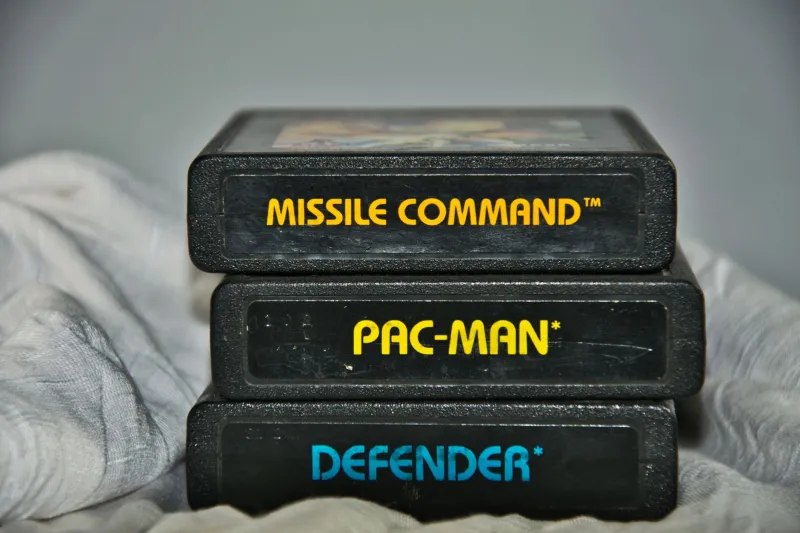
Somewhere in suburban Ohio, a guy named Marcus has a Google Sheet with 4,200 rows. Each one represents a cartridge in his collection — platform, title, region, condition, purchase price, current estimated value, rarity tier, and a notes column where he logs things like "cracked label, doesn't affect play" or "bought from a guy at a church sale who had no idea what he had." He updates it every Sunday morning with fresh eBay sold listings. He's been doing this for six years.
Marcus isn't unusual. He's practically mainstream by the standards of a niche but deeply committed community of retro collectors who decided, somewhere along the way, that the official tools just weren't cutting it — and built their own.
Why the Official Guides Stopped Being Enough
For years, collectors leaned on resources like Price Charting (now VGPC) and printed guides from the early 2000s to figure out what their stuff was worth. Those tools did a decent job when the market moved slowly. But the retro gaming market of the last decade doesn't move slowly. It lurches. A game gets featured in a YouTube video and doubles in value overnight. A sealed copy of a common title sells for an absurd amount at auction and suddenly everyone thinks their loose cart is worth triple. Regional variants, label variations, prototype builds — the nuances multiply faster than any centralized database can track.
That's where the spreadsheet underground comes in.
These aren't just collectors trying to keep their personal inventories tidy. Many of them are building tools they share, refine collaboratively, and treat with the same seriousness a financial analyst might bring to a market model. The data they're generating, in some circles, is starting to carry more weight than anything you can pull from a commercial site.
The Tools of the Trade
Google Sheets is the gateway drug. It's free, shareable, and flexible enough that a determined collector can build something genuinely powerful without touching a line of code. Templates circulate through Discord servers and subreddits — someone builds a solid framework, shares it, and thirty other collectors fork it and improve it. Conditional formatting highlights price spikes. Dropdown menus standardize condition grading. Linked tabs pull regional data separately from domestic.
But Google Sheets has a ceiling, and the more hardcore collectors hit it fast. That's when things get interesting.
Some collectors have migrated to Airtable, which handles relational data better and lets you build cleaner views for different use cases — one view for browsing your collection by platform, another sorted by estimated value, another flagging items you're willing to trade. Others have gone full custom, commissioning or building their own web apps. There are small, private databases running on personal servers that track not just individual collections but aggregated sales data pulled from multiple auction sources, cross-referenced against condition reports submitted by a trusted network of contributors.
One collector in the Pacific Northwest — she goes by "CRTQueen" in several Discord communities — built a tool specifically to track regional SNES variants. It flags differences between US, Japanese, and PAL releases, notes known label print runs, and logs every auction sale she can verify for each variant. She's spent hundreds of hours on it. She doesn't charge for access. She shares it because, in her words, "the hobby is better when everyone has good information."
Crowdsourced Trust
That philosophy — better information, freely shared — is at the heart of what makes these DIY databases interesting beyond just the technical nerd appeal. The people building them aren't trying to monetize the data. They're trying to solve a real problem: the retro market is full of bad information, and bad information costs people real money.
Flip through any collector forum and you'll find stories of buyers who overpaid because they trusted a stale price guide, or sellers who got lowballed by someone waving an outdated printed list. The commercial pricing tools do their best, but they're working from the same publicly available auction data everyone else can see. They don't capture private sales, trade values, regional price differences between, say, the Pacific Northwest and the rural South, or the premium that a genuinely mint-condition cart commands over one graded the same way but showing obvious wear.
The DIY databases can capture all of that — if the people contributing to them are careful and honest. And the communities that have built reputations around their data tend to be ruthlessly careful. Submissions get cross-checked. Outlier sales get flagged and discussed before they're incorporated. Contributors who consistently enter bad data get quietly removed from the network.
It's not a perfect system, but it's a human one. And in a hobby built on personal relationships and community trust, that turns out to matter a lot.
The Social Layer Nobody Talks About
Here's the part that doesn't make it into the spreadsheet: a lot of this is just people who love games finding an excuse to talk to each other more. The databases are almost secondary to the communities that form around building them.
Discord servers dedicated to cataloging specific platforms — there are active ones for NES, SNES, Sega Genesis, TurboGrafx-16, and several handheld systems — function as both data-collection hubs and social spaces. Members share pickup photos, argue about grading standards, debate whether a particular label variant is genuinely rare or just underrepresented in the data. Someone finds a game at a Goodwill in Tennessee that nobody's seen a sold listing for in two years. The whole server lights up.
That social energy is part of why the data stays current. People update their sheets because it keeps them connected to a community. The information and the relationships are intertwined in a way that no commercial product has managed to replicate.
What This Means for the Rest of Us
If you're a casual collector — someone who picks up a few games a year at flea markets or thrift stores without obsessing over spreadsheets — this matters more than you might think. The data these communities generate filters outward. It shows up in forum discussions when someone asks what their haul is worth. It gets cited when collectors call out inflated asking prices at local shops. It quietly shapes what buyers are willing to pay and what sellers think they can ask.
You don't have to build your own database to benefit from what these folks are doing. But knowing the community exists — and knowing where to find it when you've got a cart you can't quite price — is worth something.
The retro market has always run on shared knowledge. The spreadsheet underground is just the latest, most obsessive expression of that tradition. And honestly? The hobby is better for it.