One Game, One Box, Zero Regrets: The Collectors Going Back to Basics with Single-Game Devices
For a long time, the dream was simple: one box, every game ever made. You'd load up a Raspberry Pi, flash a RetroPie image, drop in a few thousand ROMs, and suddenly you had access to the entire history of gaming sitting on your TV stand. It felt like winning. Why would anyone walk away from that?
Turns out, a lot of collectors are doing exactly that — and they're replacing those all-in-one setups with something far more focused: dedicated single-game devices, mini consoles, and plug-and-play units built around one specific title or franchise. It's a trend that's been quietly picking up steam in collector circles, and it raises some genuinely interesting questions about how people relate to the games they love.
The Problem with Having Everything
Here's something nobody talks about enough: owning ten thousand games doesn't mean you're actually playing ten thousand games. Most collectors with massive ROM libraries will admit, if they're being honest, that they boot up the same twenty titles over and over. The rest just sit there, a digital pile that feels impressive in theory and slightly overwhelming in practice.
There's even a name for it in productivity circles — the paradox of choice — and it applies to gaming libraries just as much as it applies to streaming services. When you can play anything, it gets weirdly hard to commit to something. You load up your emulation box, scroll through hundreds of titles, and somehow end up playing nothing at all.
Single-game devices sidestep that entirely. You pick up a Pac-Man plug-and-play, you plug it in, you play Pac-Man. That's it. There's something almost meditative about that kind of focus, and collectors who've made the switch describe it in surprisingly emotional terms — less like gaming and more like reconnecting with a specific memory.
The Legal Comfort Factor
Let's be real: the legal gray area around emulation and ROMs has always been a low-grade source of stress for collectors who care about that kind of thing. Nobody's kicking down doors over a personal ROM collection, but the ambiguity is real, and it gets more complicated every time a major publisher sends a cease-and-desist to a preservation project or pulls classic titles from a storefront.
Licensed single-game devices don't carry any of that baggage. When Atari, Namco, or Konami puts out an officially branded plug-and-play unit, you're buying a legitimate product. The game is properly licensed, the hardware is purpose-built, and there's no question about where you stand. For collectors who've grown a little tired of navigating the murky waters of ROM culture, that clarity feels genuinely refreshing.
It's also worth noting that the quality of officially licensed mini hardware has improved dramatically over the last several years. The early plug-and-play units from the mid-2000s were often junk — laggy, cheap-feeling, with terrible display output. Modern single-game devices from reputable manufacturers are a different story, often featuring HDMI output, accurate emulation, and build quality that actually holds up.
Physical Ownership in a Streaming World
There's a broader cultural current running underneath all of this, and it connects to something Cazimbo readers probably recognize from other corners of the hobby. Physical ownership matters to this community. It mattered when collectors started choosing cartridges over digital downloads, and it matters now when they're reaching for a dedicated device over an emulation box.
A single-game console is an object. It has weight and shape and a specific identity. It sits on your shelf and represents exactly one thing. In a world where game libraries increasingly exist as licenses that can be revoked, servers that can go dark, and storefronts that can vanish overnight, there's something deeply satisfying about holding a piece of hardware that will play its one game as long as the device itself survives.
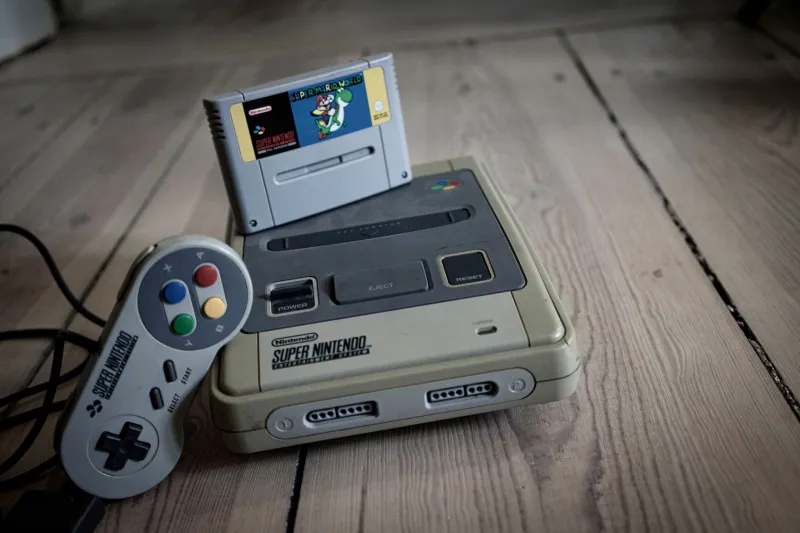
For a lot of collectors, these devices aren't just gaming tools — they're artifacts. A Tamagotchi re-release, a mini arcade cabinet for a beloved classic, a dedicated handheld loaded with a single franchise: these things carry the weight of memory in a way that a folder full of ROM files simply can't.
What the Market Actually Looks Like Right Now
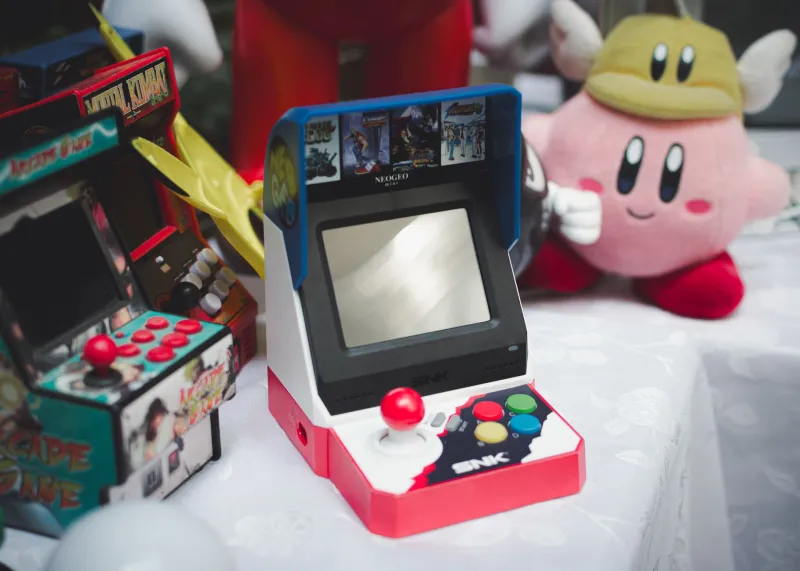
The single-game device space has gotten surprisingly sophisticated. On the officially licensed end, you've got everything from Numskull's range of quarter-scale mini arcade cabinets to the various plug-and-play units that show up at GameStop and Target around the holidays. These aren't just novelty items anymore — serious collectors are paying attention to them.
On the reproduction and homebrew end, things get even more interesting. Small-batch manufacturers are producing dedicated devices for specific games and franchises, sometimes with features that exceed what the original hardware could do. Limited-run physical releases from publishers like Limited Run Games and Super Rare Games sit somewhere between collectible and functional, giving players a physical artifact tied to a single title.
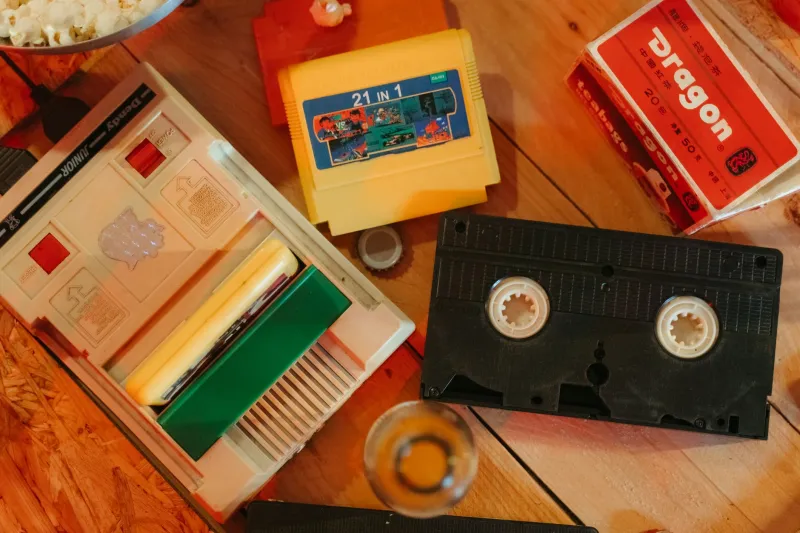
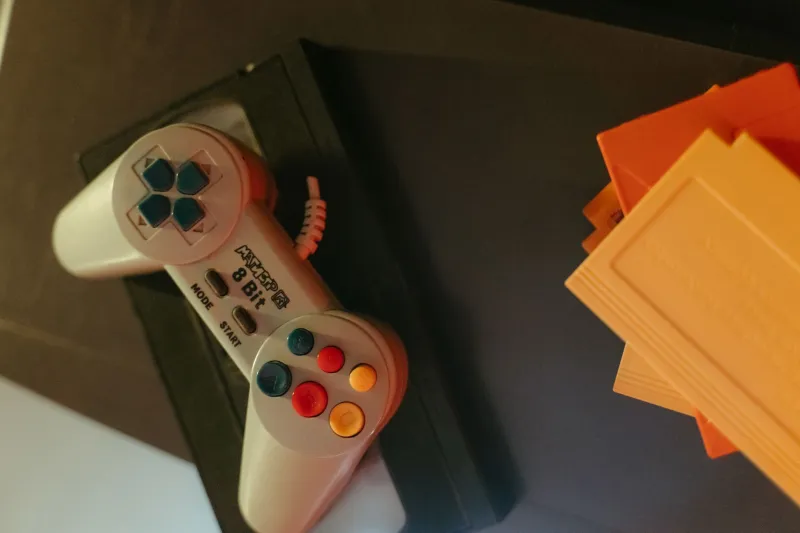
Secondhand markets for older plug-and-play units have also heated up. Units that got written off as cheap holiday gifts are getting a second look from collectors who appreciate the focused, self-contained experience they offer.
Is This the New Direction for Collectors?
It would be too strong to say that single-game devices are replacing emulation setups — they're not. Plenty of collectors are doing both, and there's no sign that the ROM preservation community is going anywhere. But the growing enthusiasm for dedicated hardware does suggest something real about how collector priorities are shifting.
The hobbyists who've been at this the longest seem to be moving away from the completionist mindset — the drive to have everything — and toward something more curatorial. They want to own specific things that mean something specific to them. A device built around one beloved game is the ultimate expression of that instinct.
There's also something worth saying about accessibility. A plug-and-play device is an easy entry point for someone who grew up with a particular game but doesn't want to navigate emulation software or hunt down original hardware. It's a low-friction way to dig up something you never forgot — which, when you think about it, is pretty much what this whole hobby is about.
Whether you're a longtime collector reassessing your setup or someone just starting to rediscover the games of your childhood, the single-game device trend is worth paying attention to. Sometimes less really is more — and sometimes one game in one box is exactly what you needed all along.