Shelves Over Servers: Why Retro Players Are Trading Their Digital Libraries for Physical Cartridges
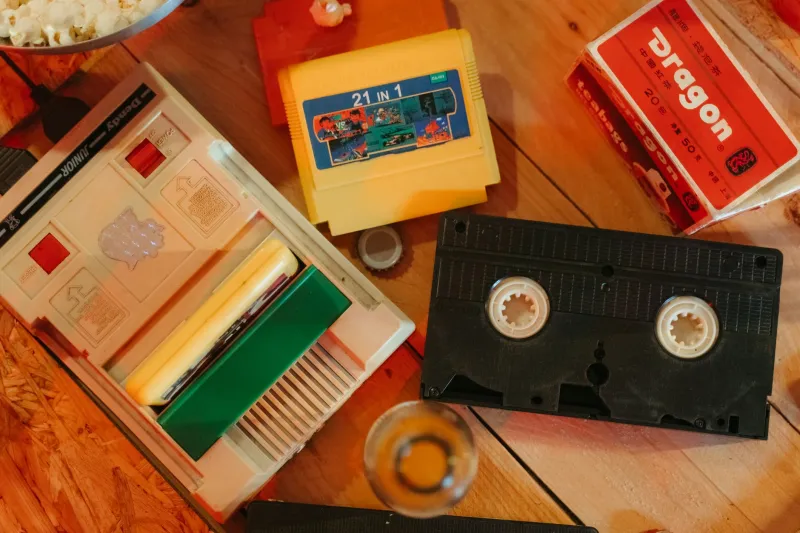
There's something almost poetic about watching a gamer carefully bubble-wrap a stack of Super Nintendo cartridges they just bought off eBay — especially when those same games sat in their digital library for years, perfectly accessible, perfectly invisible. Across the US, a growing number of retro players are doing exactly that: abandoning the convenience of digital storefronts and rebuilding physical collections from scratch. It's not nostalgia alone driving this. There's real frustration underneath it, and the market is starting to feel the pressure.
The Convenience Myth Finally Cracks
For a while, digital felt like the obvious answer. No shelf space required, no cartridge hunting, no worrying about battery saves dying. You paid once, you owned it forever — or so the pitch went.
Then the delisting started.
Games vanished from Nintendo's eShop with little warning. PlayStation quietly pulled titles from older storefronts. Xbox backward compatibility lists shuffled around. Players logged in one day to find that something they'd paid full price for had simply... slipped out of reach. Not deleted from their account, necessarily, but no longer redownloadable in any practical sense. The fine print that nobody read turned out to matter a lot.
"I lost access to three games I genuinely loved when a storefront restructured," says Marcus, a collector based in Ohio who asked to use only his first name. "I didn't even get a notification. I just went looking for them one afternoon and they were gone. That was the moment I stopped trusting the cloud with anything I actually cared about."
His response? He spent the next six months rebuilding a physical library of every game he considered essential. He's not alone.
Ownership vs. Access — A Line That Finally Got Drawn
The philosophical argument about digital ownership has been simmering for years. What people are realizing now is that the gap between owning a game and having access to a game is enormous — and that most of what digital storefronts sold was the latter.
When you hold a cartridge, that's yours. The save data might fade, the pins might need cleaning, but the game itself doesn't disappear because a licensing deal expired or a company decided to restructure its back catalog. Physical media has its own vulnerabilities, sure, but they're vulnerabilities you can see and manage. A disc you can inspect. A cartridge you can test. A corporate server decision? That one arrives without warning.
This realization has pushed a lot of players — especially those in their 30s and 40s who grew up with physical-first gaming — toward rebuilding what they once had. The nostalgia is real, but the motivation is increasingly practical.
What's Happening to the Secondhand Market
If you've been shopping for retro games lately, you've probably noticed the prices. The secondhand market has been anything but quiet.
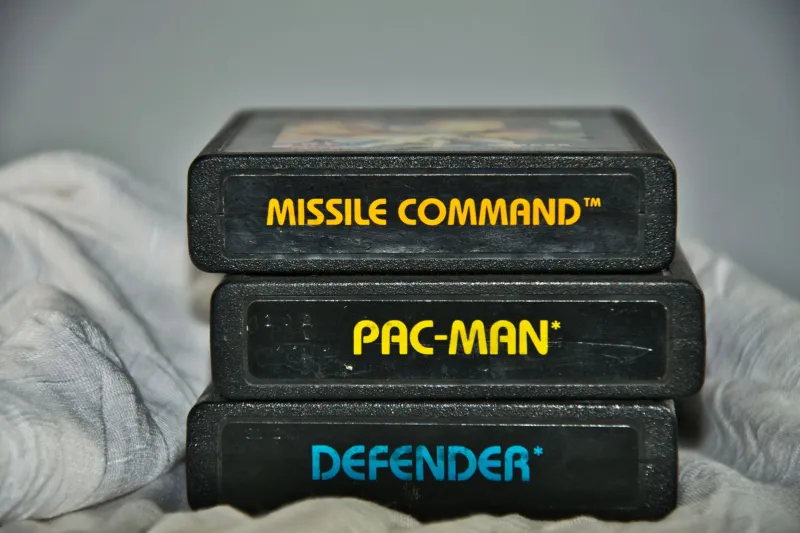
Demand for physical cartridges across the NES, SNES, Genesis, and even early PlayStation generations has stayed stubbornly high. Part of that is longtime collector interest. But a newer layer of buyers — people returning to physical after years of digital — is adding pressure to a market that was already competitive. Dealers at retro game conventions in cities like Chicago, Austin, and Seattle have reported a noticeable uptick in buyers who describe themselves as "starting over" after digital disappointments.
"I'm seeing a different kind of buyer now," says one vendor who runs a retro game booth at Midwest gaming expos. "It's not just the hardcore collectors. It's people who had digital libraries and decided they wanted something real. They're not always looking for the rarest stuff — they want the games they remember. The ones they actually played."
That shift in buyer profile is meaningful. It's pushing prices on mid-tier, commonly remembered titles upward even as ultra-rare collector items plateau. The games people loved are getting expensive. The games people heard about are stabilizing.
The Psychology of Holding the Thing You Own
Ask anyone who's made the switch back to physical and you'll hear variations on the same theme: there's something different about holding the actual cartridge.
It's not purely sentimental, though sentiment is part of it. There's a tactile confirmation that the thing exists, that it belongs to you, that it can't be revoked by a server going offline or a business decision made three states away. Psychologists who study ownership and consumer behavior have long noted that physical possession creates a stronger sense of attachment than digital access — what researchers sometimes call the "endowment effect." Gamers are living that research in real time.
For some collectors, rebuilding a physical library has also become a form of intentional curation. Rather than accumulating a bloated digital wishlist of games they'll never play, they're making deliberate choices about what earns shelf space. Every cartridge represents a conscious decision. That constraint, oddly enough, makes the collection feel more personal.
What Publishers Keep Getting Wrong
The irony in all of this is that publishers had an opportunity to build lasting trust with digital storefronts and largely squandered it. The promise of "buy once, own forever" was never legally binding, and companies have exercised their right to remove content regularly enough that players have stopped pretending otherwise.
Delisting isn't slowing down. If anything, as licensing agreements expire and older storefronts become expensive to maintain, the pace is picking up. Nintendo's wind-down of the Wii U and 3DS shops was a watershed moment for a lot of players — a visible, documented case of an entire platform's digital catalog becoming inaccessible in one move.
What publishers haven't fully reckoned with is that every delisting event sends a fresh wave of buyers back toward physical. Every "this title is no longer available" message is an advertisement for cartridges.
Digging Your Library Back Up
If you're thinking about making the shift — or even just supplementing your digital library with physical copies of the games you truly care about — there's never been more infrastructure to support it. Retro game stores have proliferated in most mid-size American cities. Online platforms like eBay, Mercari, and dedicated retro storefronts give you access to a massive inventory. Local Facebook Marketplace and Craigslist listings still turn up deals that haven't been priced by algorithm.
The entry point isn't as intimidating as it might look. You don't have to rebuild everything at once. Start with the games you'd genuinely mourn losing. The ones you've gone back to more than once. The ones you'd want your kids to play someday.
Those are worth owning — really owning — in a way that doesn't depend on anyone else's servers staying online.
The shelves are waiting.