Crowdsourced and Cartridge-Deep: How Reddit Is Rewriting the Game Boy Pocket Price Book
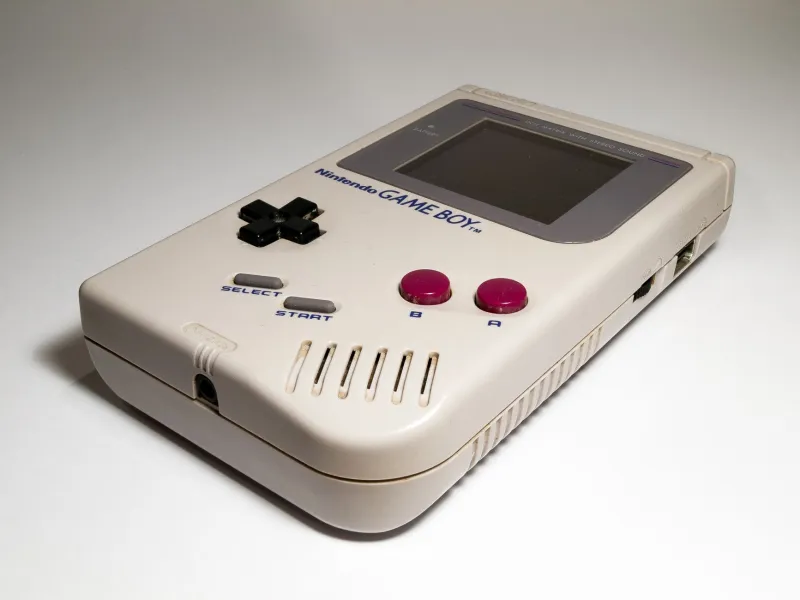
There's a particular kind of satisfaction that comes from finding a Game Boy Pocket in a color you've never seen listed anywhere — not on eBay, not on PriceCharting, not in any guide you've bookmarked. That feeling, that little jolt of did I just find something?, is basically the founding emotion of an entire underground collector ecosystem that's been quietly growing for years.
And right now, that ecosystem lives on Reddit.
The Pocket Problem Nobody Talks About
The Game Boy Pocket doesn't get the same reverence as its siblings. The original DMG has its chunky charm. The Game Boy Color gets the nostalgia bump. The Advance SP practically sells itself. But the Pocket — that slim, battery-sipping little unit Nintendo dropped in 1996 — occupies a weird middle space in the collector world. Undervalued by casual resellers, overlooked by mainstream guides, and absolutely obsessed over by a very specific type of collector who's done the research.
The problem is that the Pocket's market is genuinely complicated. Nintendo released it in a surprisingly wide range of colors depending on the region and the year. Some of those variants were Japan-exclusive. Some were bundled with specific games in European markets. A handful of transparent and limited editions show up with wildly inconsistent frequency, and their prices swing based on condition factors that your average eBay listing won't bother to mention — things like screen discoloration, battery contact corrosion, and whether the original screws are still in place.
Mainstream price trackers aren't built to handle that level of nuance. So collectors built their own system.
Subreddits as Living Price Guides
Head over to communities like r/Gameboy and you'll find something that functions less like a forum and more like a rolling, crowd-maintained database. Collectors post recent pickups with detailed photos. Other members weigh in with what they paid, where they found it, and what condition grades they think are fair. Over time, those comment threads become reference points — searchable, linkable, and far more granular than anything a static price guide can offer.
What makes it work is the specificity. Someone posts a Pocket in the Japanese "Skeleton" transparent edition, and within hours there are replies from people who've sold one in the last six months, people who've been watching that variant for a year, and at least one person who knows exactly which Japanese retailers were moving them and at what price point. That's intelligence no algorithm is generating.
Discord servers layer on top of this. Several Gameboy-focused servers have dedicated channels just for the Pocket, where real-time deal alerts get posted and debated. Found one at a Goodwill in the Midwest for $12? Post it. Someone in that server will tell you within the hour whether you got a deal or walked past a more valuable variant without realizing it.
The Excavation Strategies Collectors Actually Use
Talk to active members of these communities and a few consistent approaches come up. The first is what some collectors call "variant stacking" — rather than hunting broadly, you pick two or three specific color variants and go deep on them. You learn every regional release associated with that color, every known condition issue, every legitimate source. You become the person other collectors tag when that variant shows up.
The second is cross-referencing international finds. Because the Pocket had a more varied regional release than most Nintendo hardware of that era, a lot of the real discoveries come from collectors in Europe and Japan posting finds that US collectors haven't seen before. Reddit's global reach makes this organic. A collector in Germany posts a Pocket color that never hit US shelves, and suddenly a dozen American collectors are adjusting their want lists and their budgets.
The third strategy — and this one's particularly interesting — is condition documentation. A few dedicated members have started compiling photo guides to common Pocket issues, essentially building a visual grading rubric that the community can reference. Screen yellowing stages. Battery contact grades. Shell crack patterns. This kind of documentation doesn't exist officially, so the community made it.
What the Mainstream Sites Keep Missing
Here's the honest limitation of platforms like PriceCharting and even eBay's sold listings: they flatten everything. A Game Boy Pocket lists as a Game Boy Pocket. The color might be in the title, or it might not. The condition is whatever the seller decided to call it. Regional variants get lumped in with domestic releases, or they get wildly mispriced because the seller didn't know what they had.
The Reddit and Discord ecosystem has developed workarounds for all of this. Variant-specific threads mean you're comparing apples to apples. Community members who've been tracking a particular color for years provide context that no algorithm can replicate. And the social accountability of posting in front of people who know tends to keep the information honest in a way that anonymous reseller listings don't.
There are limitations, sure. The data isn't centralized. Finding the relevant thread from eight months ago requires knowing where to look and how to search. And the community's collective knowledge has gaps — certain regional variants are still murky, and condition grading isn't fully standardized yet. But the gaps are shrinking, post by post.
Why This Matters Beyond the Pocket
The Game Boy Pocket community is a useful case study because the Pocket is exactly the kind of hardware that falls through the cracks of mainstream collector attention. Not famous enough to have a dedicated price guide, not obscure enough to be fully ignored — just complicated enough that only people who've done the work can navigate it confidently.
And the crowdsourced approach these collectors have built? It's replicable. Similar networks exist for specific Atari variants, for obscure PC Engine accessories, for regional Famicom editions. The pattern is the same: when mainstream resources fail, hobbyists build their own infrastructure, one post at a time.
For anyone getting into the Pocket market — or any niche retro hardware category — the lesson is clear. Skip the generic price guides. Find the community that's already done the digging. Spend a few weeks reading before you start buying. The knowledge is out there, it's just distributed across a thousand comment threads instead of sitting neatly in a spreadsheet.
The dig never really ends. But at least now you've got people digging alongside you.